
How slowing life down has improved the mental wellbeing of our family.
Our slow life amongst the high speed world.

Transitions is a word that’s spoken about often in the neurodivergent community. Transitions are often described as incredibly challenging for neurodivergent people. There needs to be regulation amongst the transition. In our house transitions are mostly slow. Life is slow. I am slow.
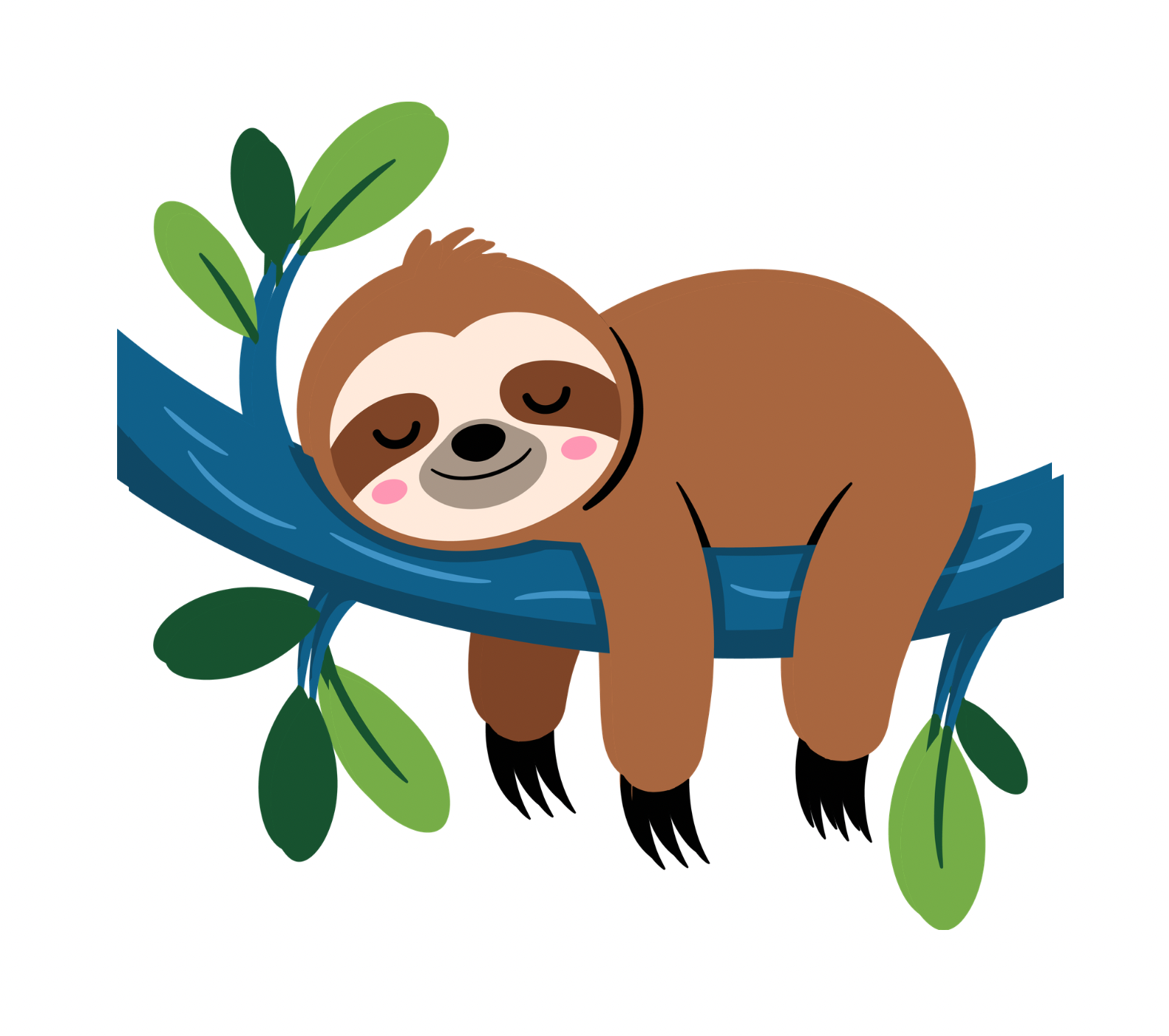
Interestingly the dictionary describes the word transitions as being a process, a period of changing from one state to the other as if a transition is not an immediate but something slower, something deliberate, unhurried, something intentional. An interconnectedness between now and next. And I wonder whether the transition isn’t the challenge here but the speed at which we transition is. We don’t ping from one thing to the other, we don’t pop to the shops or a friend’s house, there is no last minute in this family where we can help it. When we transition, we do so as slowly as is possible.
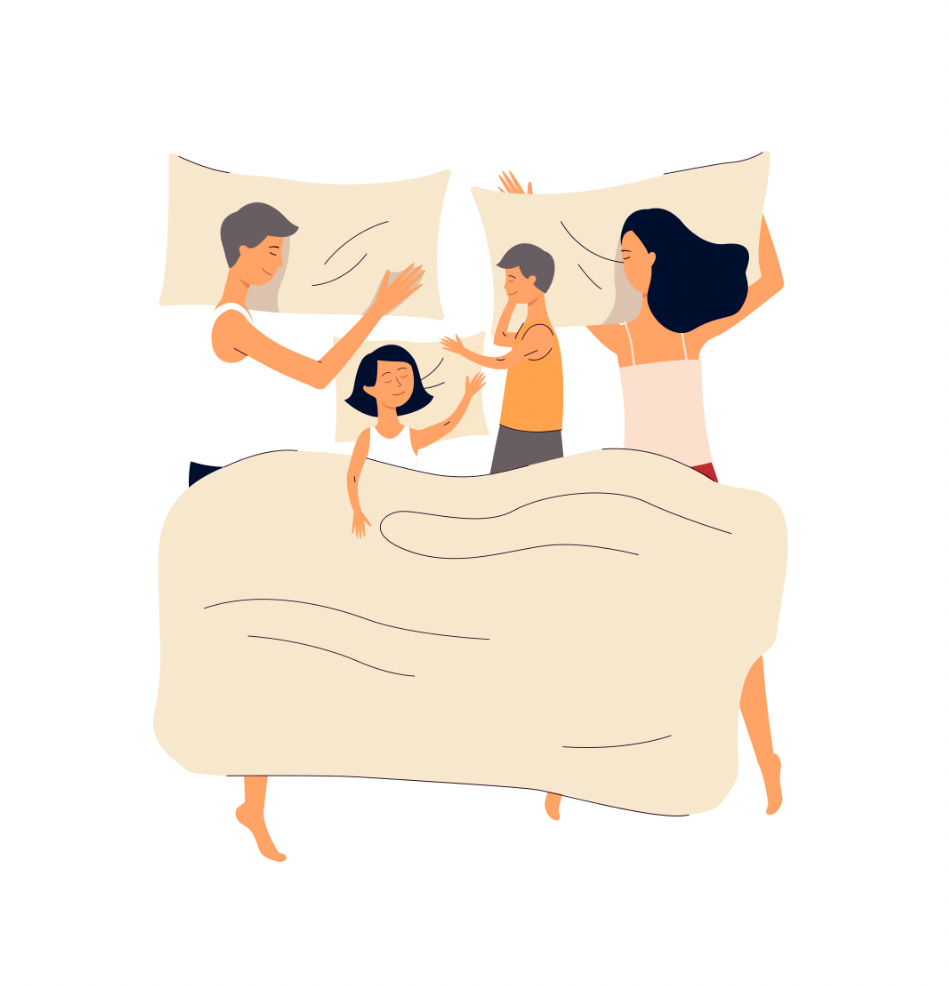
We aren’t a family that spring into action in the morning. It takes us all time to transition from the sleeping world to the waking one. This often involves screens, me typing words into my phone or reading the words of other Mums like me on social media, my daughter watching her favourite tv show, my son battling an enemy on his iPad, My husband checks his emails and the news. We used to fall out of bed, a quick breakfast, a jump into the shower, getting dressed at speed, the packing of bags and lunches whilst simultaneously shoving toast into mouths, rushing to school, to work. Rushing until we could rush no longer. Our son burnt out first then we all followed behind him. We had no choice but to slow down. And for a long time, I’ve felt shame. If people could see us, they’d think we were lazy, they’d think we were unproductive, that we were neglecting our children as we all bury ourselves in our own world in order to come into the same one. The one that as a family we often battle to find our place in.

As we go on this journey of self-discovery, of learning about our neurodivergence I become more accepting of the way we to do things, realising that this is what we need rather than it being a bad habit. Of course, It’s important to note that within the slow we still need to hold down jobs, educate the children, run a household, do life. I’m still figuring out how we do all those things when we have a child who cant go to school and finds it really hard to leave home in general. But I know now that however we do life we need it to be a hell of a lot slower than it was before. We need simple, we need predictable where possible. The slowness is a huge part of us doing life differently.
Our weekends have been the starting point for curating a slower life. We don’t do the weekend rugby, football, gymnastics, birthday parties, the social gatherings, our weekend calendars are often empty with the occasional meeting with friends or family. Typically, weekends for us are long breakfasts, weekends are wearing pyjamas for most of the day. There’s movies and screen time; Lego builds and garden time and naps, lots of naps. I used to feel like we should have a tun of invites and activities planned, that somehow that was the measure of our worth. Truth be told we don’t want the tun of invites. We want the occasional, meaningful ones, we want the quiet, the peace, the safety, the four of us together. And please don’t confuse this slowness for lethargy, there is still energy within our household, open the door and you will see it. Get to know us and you will understand.
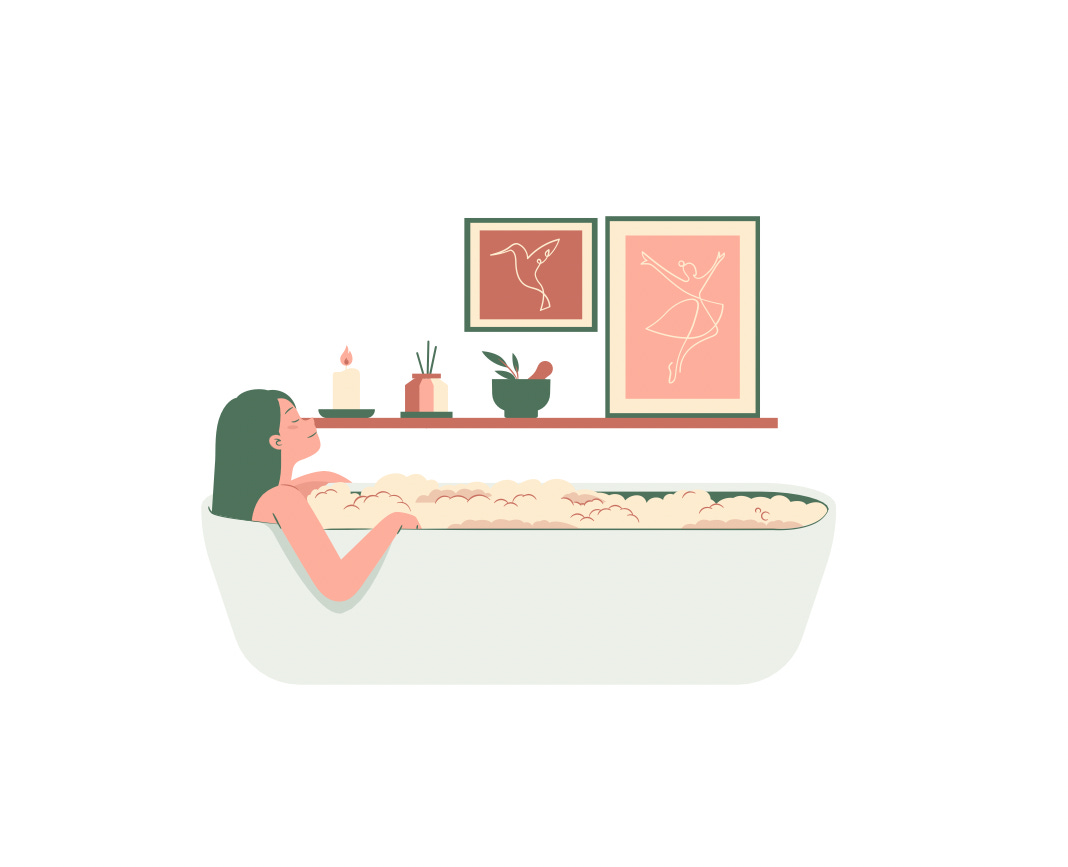
Of course, we cannot avoid transitions all together and when we do venture outside, we do so slowly. I begin preparing for hours before we are due to leave, sometimes days or weeks before. I mentally plan before the physical preparations begin, I then communicate the transitions to the children, and I allow plenty of time for all our bodies to move from one thing to the next. Sometimes we eat our breakfast in bed to minimise the transitions on a busier morning. On the busy days, the children brush their teeth in the evenings only to lower the demand. I don’t jump into the shower, to me the shower embodies the fast-paced world, it’s functional rather than nourishing, designed to wash a body in the fastest way possible. Instead, I dive into a warm bath that envelopes my skin and provides a calm to my body and mind. I drink my tea in the bath, I take deep breaths in the bath, I do a lot of my creative work in the bath. I always make time for a bath feeling a little at odds if I don’t begin my day with one. A bath is a place where my body feels sensory safety rather than the sting of water and soap running into my eyes.
If I have to drive somewhere I go over the journey countless times in my head, I look at street view, so I’ve seen the roads in pictures to minimise the unknown. I’ve always found driving challenging, my slower brain, my dreamy brain often can’t keep up with the speed of the road, that and the memory of a horrid accident pushes my body into a fight flight state. I just don’t like fast; I am so much happier in the slow. Time to process, time to respond, I need lots of time. The last minute always causes such unease in my body. A sudden suggestion for coffee fills me with dread and I feel my body rail against it strongly. In my younger years I’d ignore those inner sensations not knowing who I was or what I needed, using unhealthy strategies to cope.
It’s only now in my 40’s that I’m learning to listen to what my body is telling me. I’m beginning to trust that my body knows best. There are still moments where I battle those rising feelings of shame from within, wishing I could be like everyone else. The way we live life can be exhausting, the constant feelings of unease and the unrelenting process to acknowledge it, accept it and accommodate ourselves within it. But rather than letting the bony fingers of shame take hold of my body as I once did something deep inside whispers, ‘its ok, its ok to be you’, and my shoulders relax, I take a deep breath as I lean into what I need. I am learning to meet myself with compassion, to meet my children, my husband with compassion. I now understand compassion to be the lifeblood of human connection.
I don’t always get it right. The other day my son needed to transition off a game in order to let his friend have a go. He buried himself in cushions to support himself, It’s a coping strategy he’s developed since getting a little older. The pressure providing a safety to his overwhelmed body. Initially I’m somewhat ashamed to admit that I felt embarrassed, worrying about what the other family would think with my son’s display. I still worry so much about what others think of us and the way we do things. I tried to uncover him, and he shouted back at me. I could hear the other Mum telling her sons that they needed to let my son have his game back. But I soon realised that wasn’t what he needed; he just needed time to transition from the game to something else. After 10 minutes he emerged, regulated. And I had a moment of realisation, this was his process, this wasn’t him throwing his toys out of the pram, this was what he needed to do to move from one thing to the next.
I have lots of moments like this, where my immediate response to my child is embedded in traditional parenting or the worry of what others think and then after a moment I realise, this is neurodivergence and I embrace it, I give space for my child to do what he needs to do, I sit with him, I co-regulate, offering my body as a presence whilst he regulates. I hope in time this will be my default response rather than having to sift through the strategies of old to get to the one we need as a family. As a parent I am learning, I am transitioning. Slowly but surely, I evolve to parent the children in front of me.
When we lean into this journey of doing things differently it feels freeing, it’s a relief, it’s a letting go. Bit by bit we are unravelling the mystery of neurodivergence and beginning to understand ourselves in a way that we never have before. And I thank my son for showing us the way, through his crisis he has shown us its ok to be ourselves, his crisis was transformative for us all. I wish he didn’t have to break for us to find this life but his bravery to show us himself unmasked takes my breath away. He is an example to us all.

You see I have realised that my family and I are the tortoises of this world, slow, gentle, popping our heads out from under our shell to see if it’s safe to fully emerge. Transitions take an enormous amount of our energy so we don’t rush, we can’t rush. We may look as though life is passing us by, but we do this, so we don’t burn out in the high speed that the modern world appears to dictate. And maybe just maybe slow and steady is what wins the race. I suspect that’s indeed the case for us.
You write so beautifully, Hannah. always look forward to your posts. Had a moment the other day where my son was getting more and more upset about leaving behind a paper plan on the roof of a community centre and slipped back into traditional parenting, but luckily some compassionate soul went and got a ladder. We've slowed down for years but it's important to remember why x
Resonates here x